
Why Isn’t My Ancestor in the Census? 7 Reasons and Census Search Tips
*This post may have affiliate links, which means I may receive commissions if you choose to purchase through links I provide (at no extra cost to you). All opinions remain my own.
Raise your hand if you’ve ever sworn that your ancestor should have been in the census for a certain place and year and that the enumerator must have missed them.
Yeah, me too!
As a professional genealogist, I know how easy it is to spiral when you’re staring at empty search results. But before you decide the census is wrong, pause and ask the question that brought you here: why isn’t my ancestor in the census?
The truth is, no census counted every single person. Census records are incredibly helpful for building a family tree, but they’re not perfect. So when your census searches come up blank, it usually means something else is going on.
Below are seven common reasons you can’t find an ancestor in the census, plus practical genealogy census strategies to help you search the census more effectively and finally find an ancestor who seems to be hiding.
Related posts:
Solve Your Genealogy Brick Wall: Review and Analyze Your Research
Solve Your Genealogy Brick Wall: How To Evaluate Your Sources
Solve Your Genealogy Brick Wall: 10 Ways To Widen Your Research Net
Solve Your Genealogy Brick Wall: How To Research A Last Name In An Area
A Fast Way to Regroup Before You Search Again
Before you run another family tree census search, do two quick things.
First, loosen your definition of correct. Census ages can be off. Birthplaces can shift. Names can change or get mangled. If you require perfect details, you’ll miss the record that’s closest to the truth.
Second, build a simple timeline. List what you know about your ancestor’s life by year, even if it’s just rough. Where were they around the census date? Who were they connected to? This is the fastest way to spot gaps, moves, and “wait, that doesn’t make sense” moments. It also makes a family tree census plan easier because you’re not guessing every ten years.
If you’re already at a brick wall and you keep redoing the same searches, my Brick Wall Breakthrough Blueprint can help you sort out what you know, spot gaps, and choose smarter next steps. It includes a step-by-step process and more than ten worksheets you can reuse (so you’re not reinventing the wheel every time).
Now, let’s get into the most common reasons someone seems “missing.”
1. Transcription Errors
This is the number one reason people feel unfindable in the census.
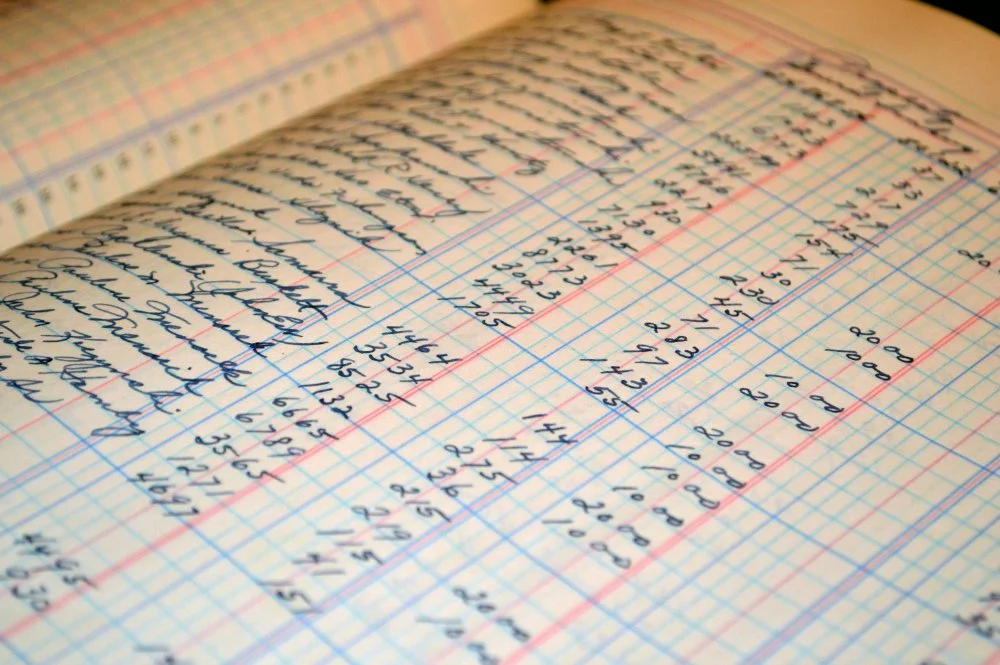
Census handwriting can be tough. Image quality isn’t always great, and the person indexing the record might misread letters or follow the wrong line across the page. Even one wrong letter can make a name impossible to find in a database search.
And to be perfectly frank, some good-hearted people volunteer for transcription projects that are not in their wheelhouse. My mom’s side of the family is Asian and from Hawaii and some of the indexing for Japanese in old Hawaiian censuses can be downright confusing because the transcribers clearly weren’t familiar with Japanese names.
This can all lead to challenges with you later finding your family in those indexes.
What to do next:
Search using fewer details. Try just a first name and birthplace.
Use wildcards (like an asterisk) to replace unknown letters.
Search for other household members first, then open the image and look for your person.
2. The Enumerator Guessed the Spelling
The census enumerator might not have been able to understand the name of your ancestor and took their best guess at spelling it. This is especially true for people that had more unique names. One of my client’s family members was named Mosie Lee. Well, I found Mosie Lee in censuses and other documents as Mozilla, Manzilla, Marella, Mozilia, and Mazzilie! Same person. Same place. Completely different names.
What to do next:
Say the name out loud and think about how it could sound to someone else.
Try swapping similar letters: B and V, M and N, S and L, and so on.
Search by first initial and age range instead of an exact name.
3. They Changed Their Name (Or it Got Translated)
If you are wondering “why isn’t my ancestor in the census”, one of the reasons could be because they changed their first or last names. This was common with immigrants, who wanted to assimilate or avoid discrimination.
This wasn’t rare, and it didn’t always happen in a neat, one-time way. Sometimes it shifts slowly over decades.
For example, my Boisvert ancestors were often recorded as “Greenwood” and my Veillette family became Vayette, Vyett, or Veyett. A person named Ludwig could become Louis.
What to do next:
Make a short list of name variants you’ll test every time you do census searches.
Look for the family in records that give more detail, like naturalization papers, church records, or vital records.
Search the census using only birthplace, age, and a spouse or child’s name.

4. They Weren’t Living Where You Expect
If the family was having financial or other problems, children could have been sent to live with relatives or had to live with another family to work. Or a wife/widow could have moved in with a relative. This means they might not be where you’d expect to find them.
My 4x great-grandfather didn’t have a lot of money. I found that by 1850, when the older boys were in their teens, they were living with other people as farmhands. The girls all married really young.
What to do next:
Search for relatives first, especially parents, siblings, or in-laws.
Try searching for a child with a unique first name.
Check nearby households once you find one person. Families often stayed close.
Challenges Specific to That Census Year
Sometimes, the problem isn’t you. It’s the census.
Every census year has quirks. Like what we went through trying to do the census in 2020 during the pandemic.
In the 1870 census, New York City and Philadelphia complained that too many people were missed, and they had to do a recount, which still missed people because it happened during cold weather.
And of course, the fire that destroyed the 1890 federal census creates a huge gap for many families.
What to do next:
Look for state censuses, if they exist for that place and time.
Use city directories, tax lists, deeds, newspapers, probate, and court records to fill in the gap.
If you find one solid record around the missing period, build outward from it.
6. They Moved or Were Traveling
People would travel back to their home country or to another region to visit family and friends and weren’t enumerated.
They also could have relocated. It’s actually a myth that people didn’t move around a lot back in the day.
People would move for economic reasons like the chance to buy land or to cash in on events like the Gold Rush. Increased transportation options like new railroads made it easier for our relatives to migrate. I’ve researched families that were in different states in every census (and had kids in even more places in between).
To be sure you’re searching in the right place at the right time, first put together a timeline of the known events of your ancestor’s life. Add to it anything that might have affected where they were living, such as war, droughts, or economic issues.
Then, look for every record you can find for those places, like probate and court records, vital records, deeds, city directories, and newspapers for any references to where they were living. You can use a records checklist for ideas on where to look and track what you’ve found.
What to do next:
Don’t search one town. Search the whole county, then nearby counties.
Track every known record by year so you’re not guessing where they lived.
Check newspapers, especially social columns. “Visited relatives in” shows up more than you’d think.
7. They Died Between Censuses
Ten years is a long time.
A spouse might die, and the surviving spouse may remarry. Kids may take a stepfather’s surname without a formal adoption. Children may be sent to live with relatives. The household can change so much that your original census search filters no longer match.
What to do next:
Look for death records, cemetery records, obituaries, and probate.
Check mortality schedules when available.
Search for the widow or widower under a new spouse’s name.
Genealogy Census Search Tips for How to Find Your Ancestor in the Census
If you’re still thinking, “Okay, but how do I actually search the census and find them?” try these practical strategies. They work on Ancestry, FamilySearch, MyHeritage, and other genealogy census databases.
Use wildcard searches using a * to replace letters and catch spelling changes.
Search for anglicized versions of the last name when relevant
Search by first initials, try the first name only (especially if it’s unusual), and switch first and last names.
Search with no surname and a wide birth year range, then narrow by birthplace.
Get creative and be very open minded about spelling variations.
Broaden the location. Try nearby towns, then nearby counties, then the whole state.
Use other record types to pin down their location. Try city directories, tax records, deeds, newspaper social columns and voter registration lists to track where they were living and when by year.
Look at mortality schedules to see if they had died. Passenger lists can tell you if they were traveling overseas.
Search for another household member, then open the image.
Try a different website. Indexing varies across sites.
When nothing else works, skip the index and browse the images page by page for a small area.
If your searches feel scattered, this is where a consistent process matters. The Brick Wall Breakthrough Blueprint is built for this exact moment. It walks you through identifying what’s missing, testing alternatives, and choosing the next record set that has the best chance of answering your question.
Related posts:
How to Use Agricultural Censuses in Genealogy
Why You Need a Genealogy Research Log
How To Use Online Family Trees The Right Way
How to Strengthen Your Cemetery Research Skills to Find More Clues
Why Local History Books Are More Important Than You Think For Genealogy

Why Isn’t My Ancestor in the Census?: Final thoughts
If you’ve been stuck asking “why isn’t my ancestor in the census”, you’re not alone. Most of the time, the person is there, but the record isn’t easy to find because of spelling, indexing, moves, household changes, or a messy census year.
Keep your searches flexible. Use other records to pin down place and time. And when the index fails, remember you can still search the census by browsing images and using relatives and neighbors as anchors.
Also, a quick reminder that only a small portion of records are digitized. Archives hold a lot of the good stuff. If you need someone to contact an archive, request copies, or dig into harder-to-access records, that’s exactly the kind of work I do for clients. Take a look at my service packages, I’d love to help.